Engaging Students in Problem-Solving Strategy Discussions

Problem-Solving Strategy Discussions
Engaging Students in Problem-Solving Strategy Discussions

Are small-group, one-to-one, or whole-group discourse conversations, centered around math problems and puzzles, that are focused on strategies to produce a solution.
As students engage in Small Group Problem Solving, the teacher's role as facilitator is crucial. Facilitating the Problem-Solving Process allows for students and teachers to co-led the learning.
Small Group Problem Solving
This approach fosters student agency and accountability, as they gain a deeper understanding of the subject matter. Facilitation is driven by questions, not answers.

Engaging Students in Problem-Solving Strategy Discussions
Discussion focus:
- Strategy sharing and exploration.
- Visual to symbolic connections (including word problems).
- Connections between and among concepts.
- Vocabulary connections.
Small Group Problem Solving

Engaging Students in Problem-Solving Strategy Discussions
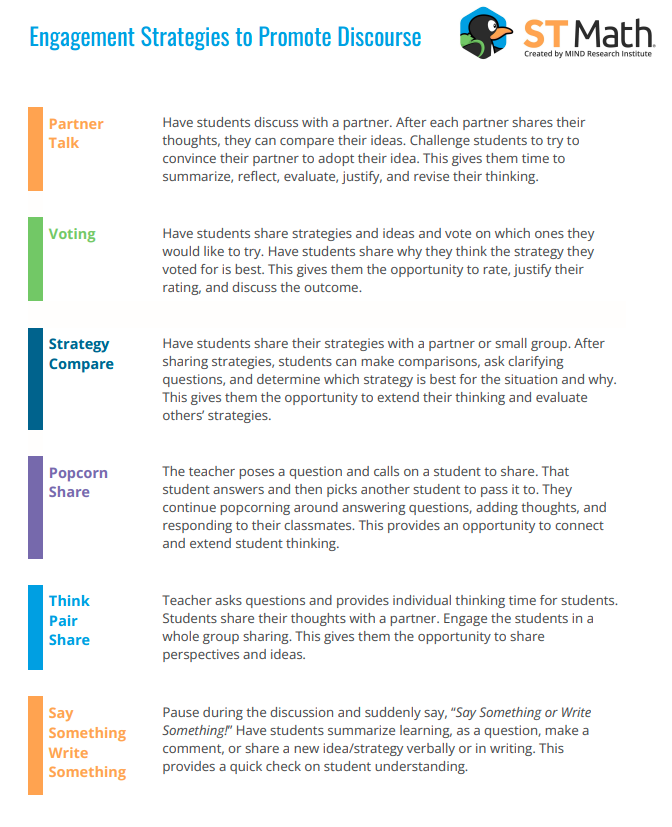
Engagement Strategies to Promote Discourse
Sometimes, facilitation of student discourse can be difficult. If students are having trouble with sharing ideas, facilitators can use one or more of the "Engagement Strategies to Promote Discourse" to encourage productive student agency and mathematical understanding.
Click for Acess
Engaging Students in Problem-Solving Strategy Discussions
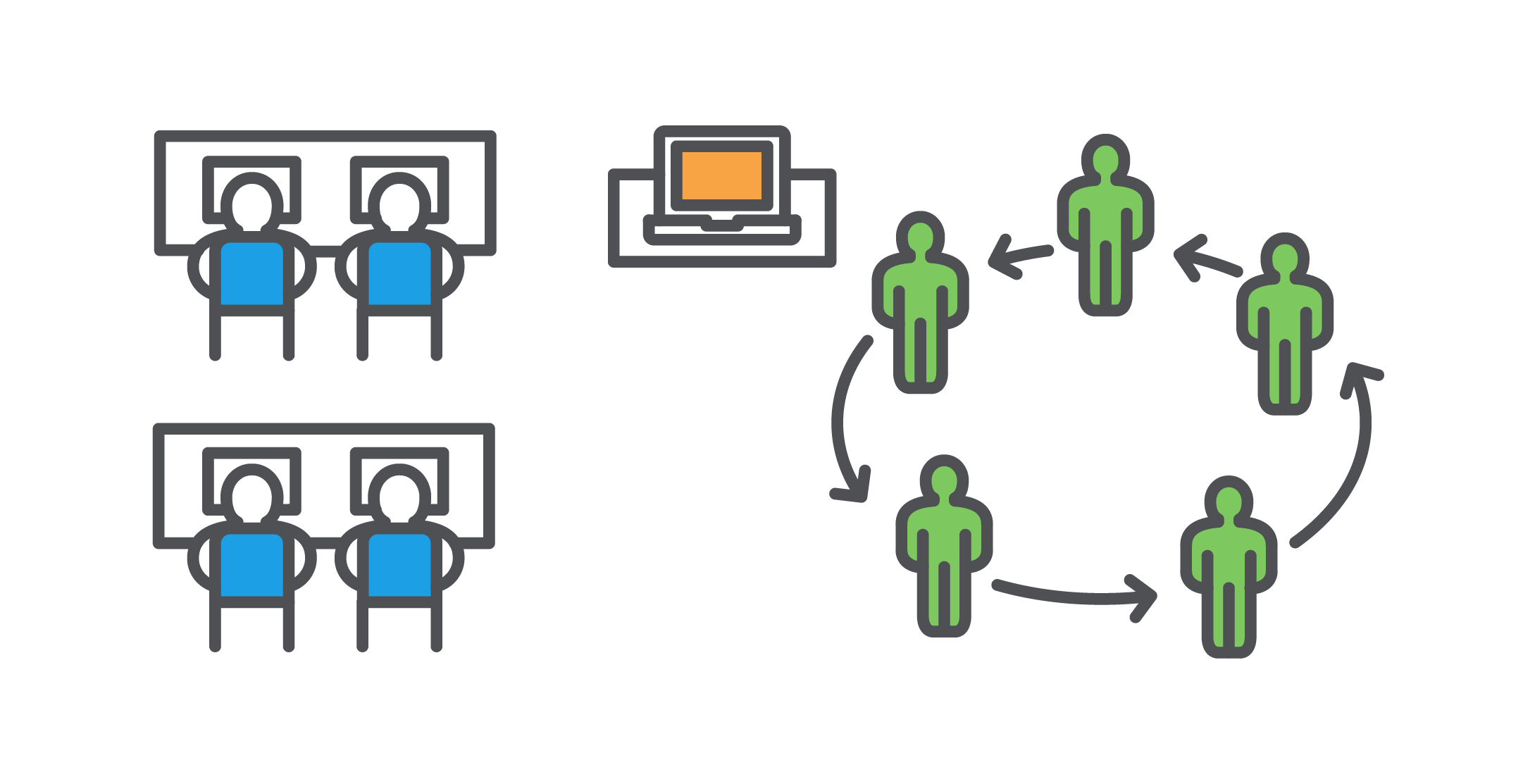
In ST Math Camp: Adventure there are multiple opportunities to have Problem-Solving Strategy Discussions.
- Small Group Problem-Solving
- Table Games
- ST Math 1:1 Gameplay
Engaging Students in Problem-Solving Strategy Discussions
Small Group Problem-Solving Activities
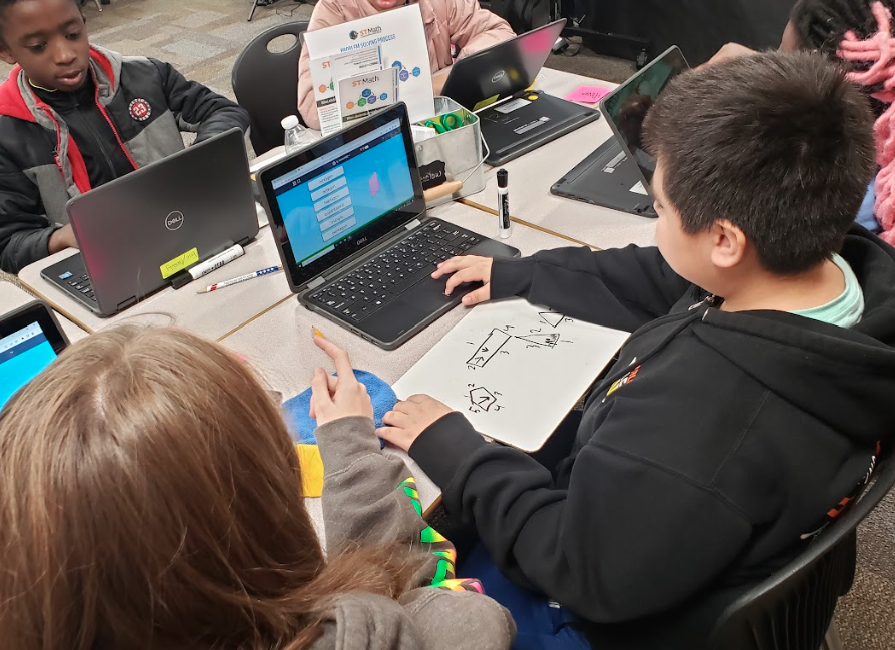
Problem-solving activities provide a wonderful opportunity to facilitate classroom discussions on student work. Prior to problem-solving time, be sure to review the problem. It is important to plan your goals and outcomes for the discussion prior to posing the problem to students.
Engaging Students in Problem-Solving Strategy Discussions
Small Group Problem-Solving Activities - Teacher Guidance
Planing for the discussion.
Before students begin working on the problem-solving activity, anticipate their responses and think about the mathematics you want to highlight.
Engaging Students in Problem-Solving Strategy Discussions

Small Group Problem-Solving Activities - Teacher Guidance
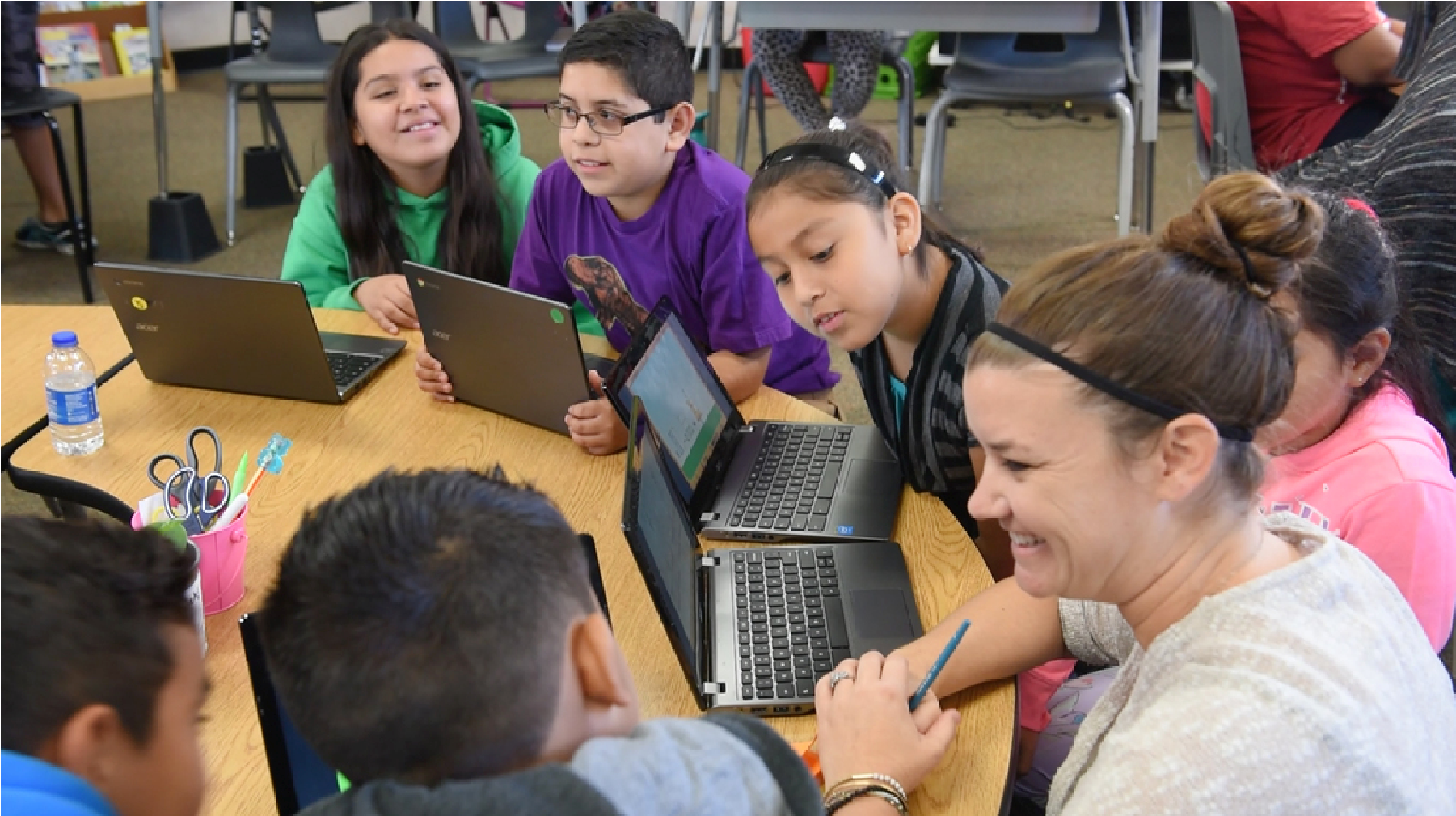
Monitoring during Problem Solving
Engaging Students in Problem-Solving Strategy Discussions
Small Group Problem-Solving Activities - Teacher Guidance
Promoting Classroom Discussion Using Student Work
Order the work you selected to share from least sophisticated to most sophisticated. Include some work that has misconceptions and/or errors in reasoning.
Ask students questions that engage them in discussions of both correct and incorrect reasoning. It is important for the teacher to remain in the role of facilitator and ask students questions to help them construct knowledge.
Engaging Students in Problem-Solving Strategy Discussions
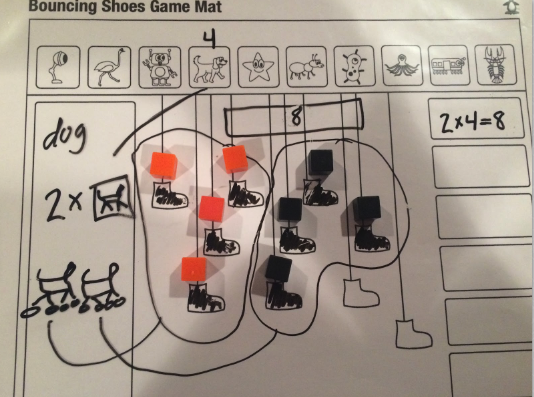
Small Group Problem-Solving Activities - Student Work
When discussing these problems with students remember:
-
Begin by having students read and think about the problem.
-
Then discuss the problems with students.
-
Give students time to solve the problems.
-
Have students share their strategies and solutions and discuss them.
-
If strategies being shared did not result in a model or equation consider asking students to try using those in solving the problem.

Engaging Students in Problem-Solving Strategy Discussions
Small Group Problem-Solving Activities - Student Work
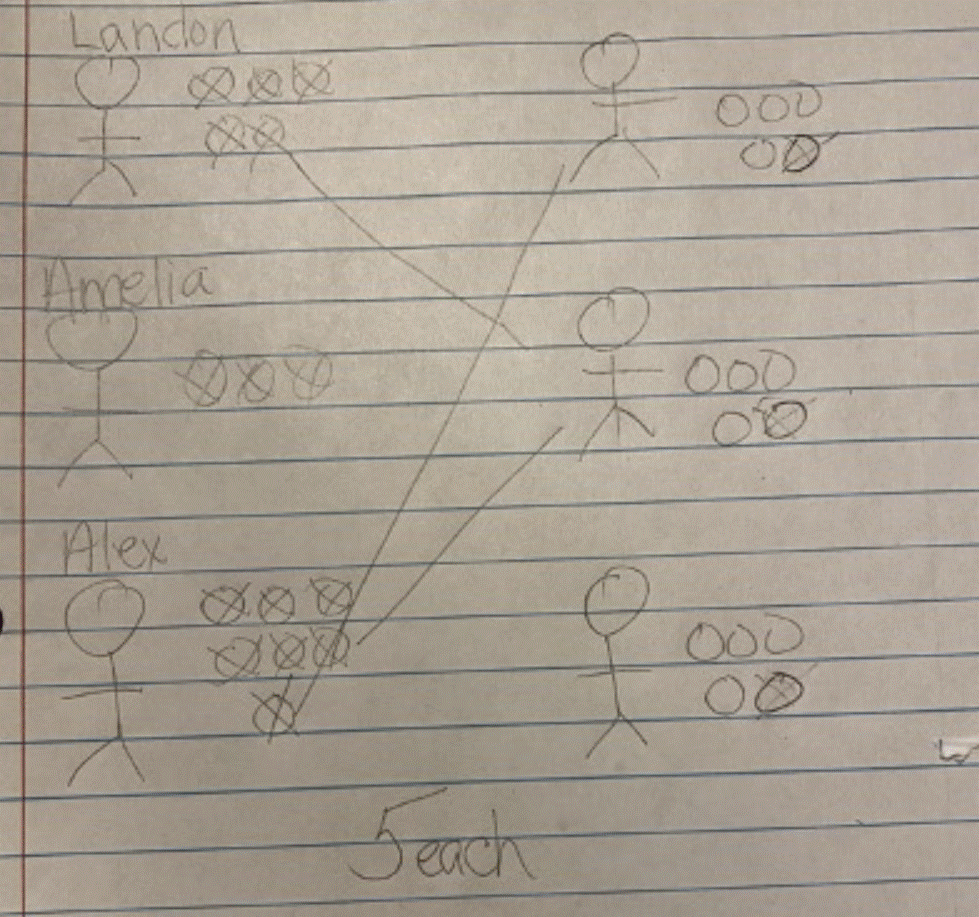
Landon has 5 cars.
Amelia has 3 cars.
Alexi has 7 cars.
Each friend wants to have the same number of cars.
How many cars each friend should have?
How can you go deeper with the mathematics? Click the icon to find out.
i
In this sample, the student recognizes that some of the cars will need to be moved to different people in order to make the car groups equal. It is not clear from the lines provided that the students knows the total and is using that to find equal groups or is just moving cars until the groups become equal. This student did get the correct answer, as a tutor I would investigate how this was done and press them on the their reasoning.
Click info button again to close.
Student work
Engaging Students in Problem-Solving Strategy Discussions
Landon has 5 cars.
Amelia has 3 cars.
Alexi has 7 cars.
Each friend wants to have the same number of cars.
How many cars each friend should have?
How can you go deeper with the mathematics? Click the icon to find out.
i
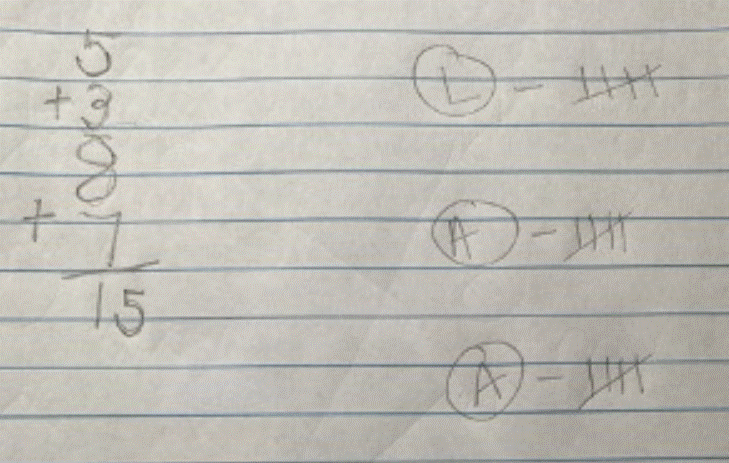
The student found the total in this sample and figured out that each person would get 5 cars. It is not clear how they determined the 5 for each. Did the student just divide the total, or did they use the total and give out one car each until all cars were gone to the answer? As a tutor, you will need to press the student on what the numbers and the tally marks represent in the problem. Ask students to explain how they know there should be 5 tally marks.
Click info button again to close.
Student work
Small Group Problem-Solving Activities - Student Work
Engaging Students in Problem-Solving Strategy Discussions
Landon has 5 cars.
Amelia has 3 cars.
Alexi has 7 cars.
Each friend wants to have the same number of cars.
How many cars each friend should have?
How can you go deeper with the mathematics? Click the icon to find out.
i
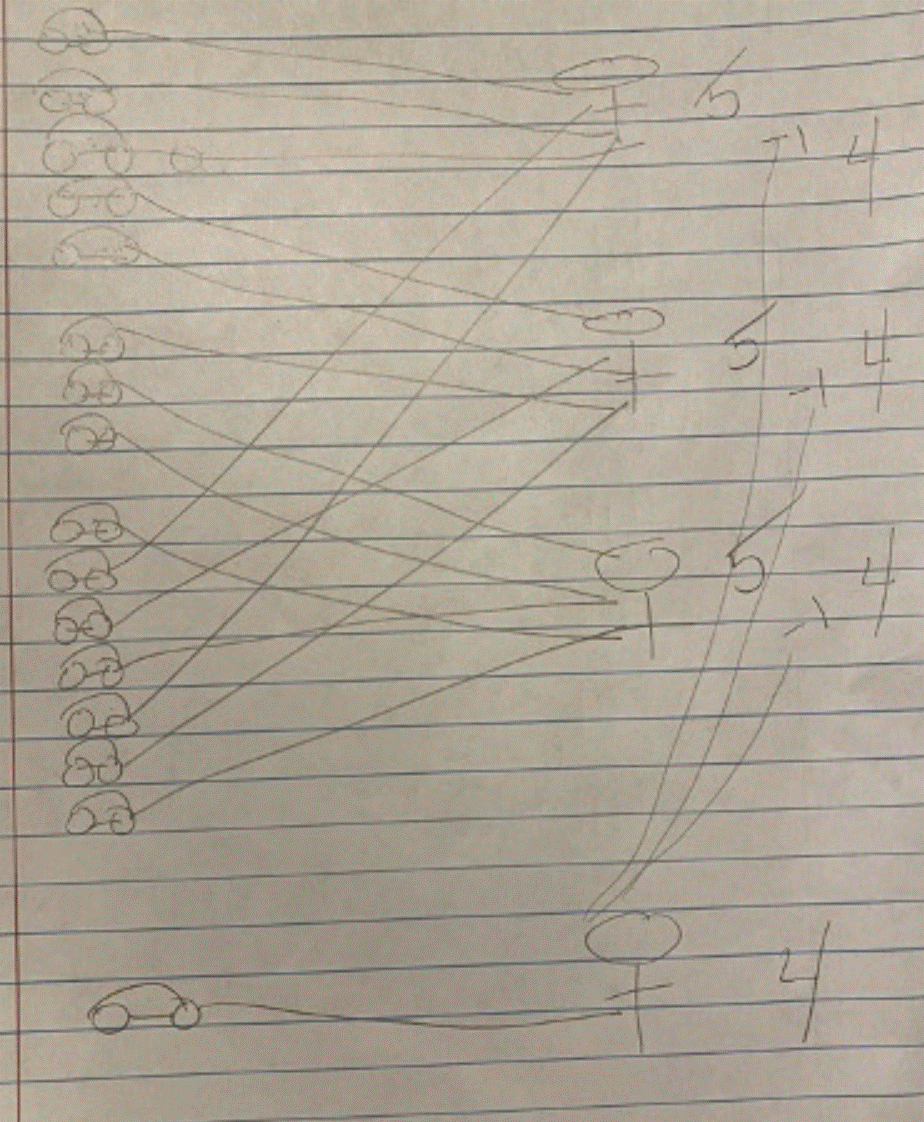
In this sample, it looks like the student guessed that it would be 3 and gave each student 3 cars. When there were extra cars left they then dealt them out one by one until all cars were accounted for. Then the student could count the lines going to each car and get the solution of 5. Ask the student to explain their strategy. Ask the student why they chose the number (3) to start dealing out the cars.
Click info button again to close.
Student work
Small Group Problem-Solving Activities - Student Work
Engaging Students in Problem-Solving Strategy Discussions
- Facilitators should always ask students to explain their strategy and explain what pictures and numbers represent in the problem.
- If students don't get a correct answer Facilitators could ask students questions like, "What does this number (a specific number in the problem) represent in the problem? What is this problem asking? How do you know?"
Student Work Summary

Small Group Problem-Solving Activities - Student Work
Engaging Students in Problem-Solving Strategy Discussions
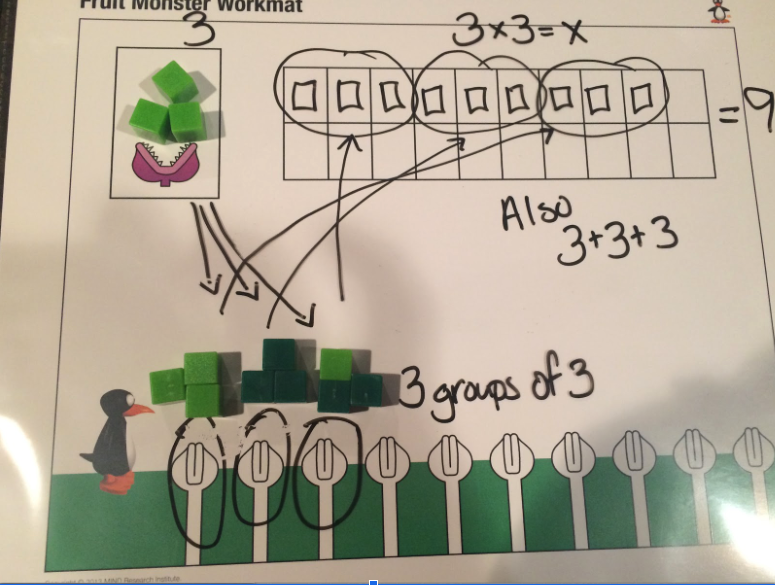
Focus: supporting the development and practice of specific math topics providing multiple opportunities to engage students in Problem-Solving Strategy Discussions.
Table Games
Engaging Students in Problem-Solving Strategy Discussions
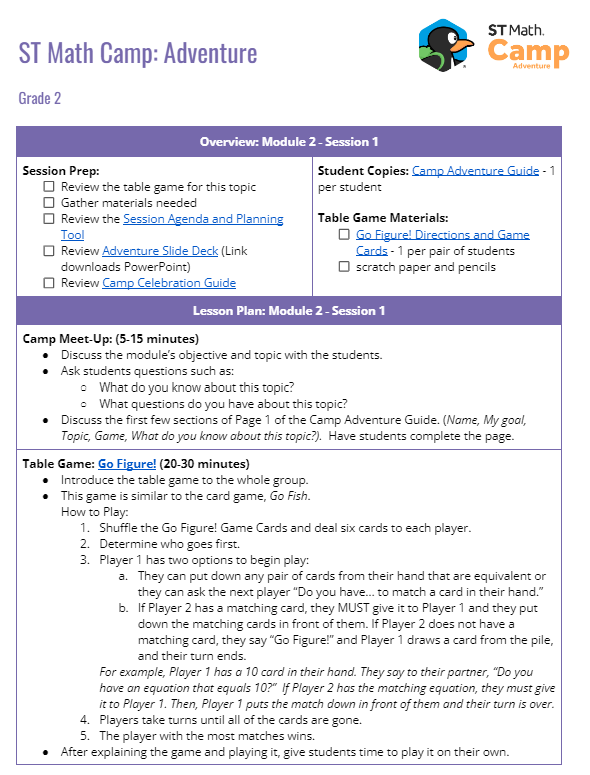
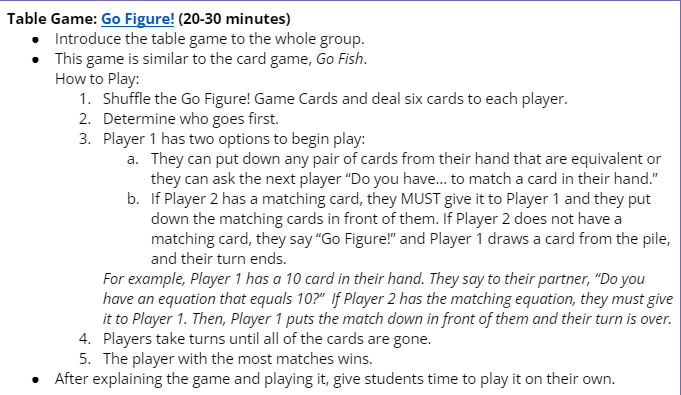
In playing these games, students:
- explore math concepts
- engage in strategic thinking
- apply their knowledge
- challenge each other
- have fun with mathematics
Table Games

Engaging Students in Problem-Solving Strategy Discussions
All of the games can easily be replicated by the students for play at home.
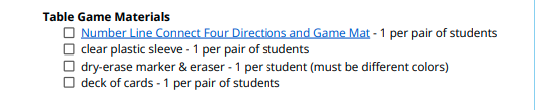
The game supplies that you need are listed in the Table Games Materials section of the module for each week.
Table Games

Engaging Students in Problem-Solving Strategy Discussions
Make sure to play the games so you know how they work!
There is time built into Session 1 of each week for you to teach your students how to play the games.
Table Games
Engaging Students in Problem-Solving Strategy Discussions
ST Math 1:1 Gameplay
Students play ST Math individually while the teacher monitors. Look for struggling students, tricky puzzles, and opportunities to make connections. Select a student to do a think-aloud.

Engaging Students in Problem-Solving Strategy Discussions
Instructional Strategies - ST Math 1:1 Gameplay
Think-Aloud - Encourage students to verbalize what they think as they play through the puzzle. Students can use the language of the Problem Solving Process, I see, I think, I try, I learn, I know, to share aloud how they are working through the puzzle.
Engaging Students in Problem-Solving Strategy Discussions

The End
Some things to remember:
- Ask students questions that engage them in discussions of both correct and incorrect reasoning.
- plan your goals and outcomes for the discussion prior to posing the problem to students.
Engaging Students in Small Group Problem-Solving Strategy Discussions